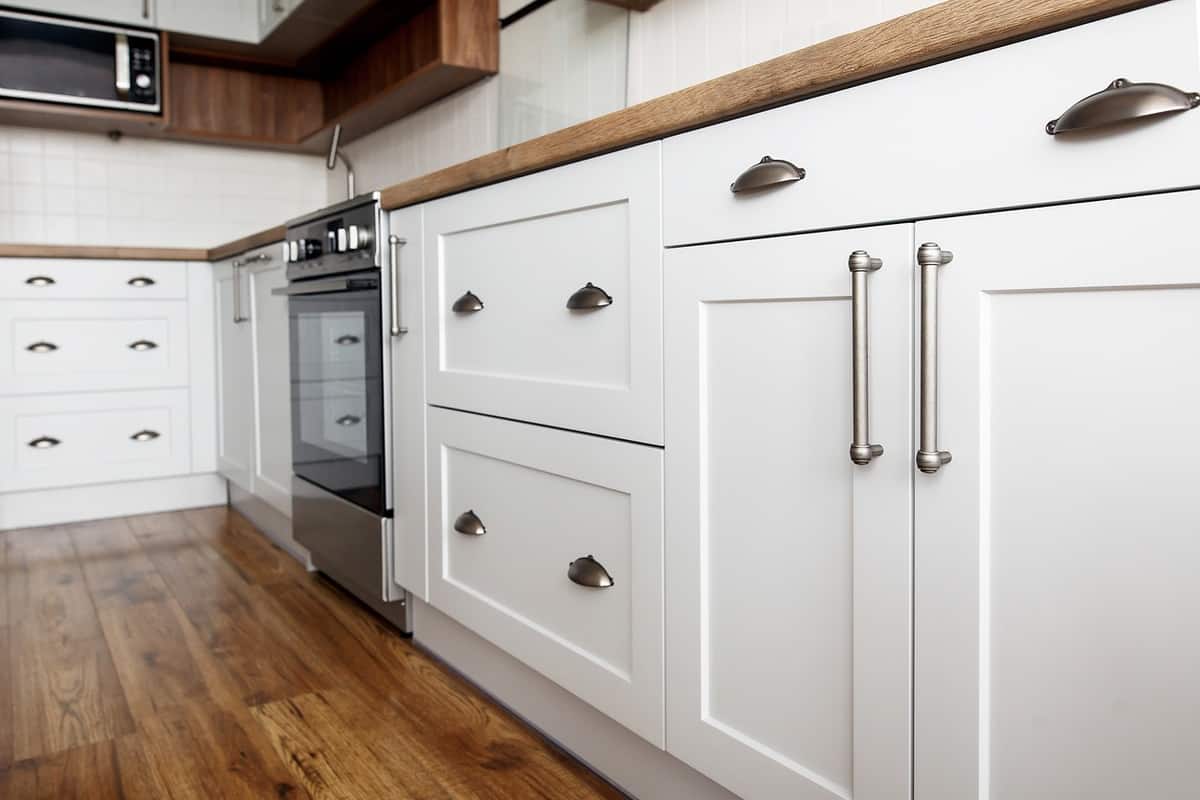
Something is off. The paint has been on for over a week. The surface looked fine when the brush went down, but now every door pull leaves that familiar tack. If you are asking why are my painted cabinets sticky long after the job wrapped up, the cause is almost always one of four things. More importantly, how to fix sticky cabinet paint depends entirely on which one you are dealing with.
Read through this before spending money on a repair.

Why Are My Painted Cabinets Sticky Even After They Dried?
The confusion starts with a word most people use too loosely: dry. When paint dries, the water or solvent in the formula evaporates, and the surface firms up. You can run a finger across it without leaving a mark. But that is not the finish line.
Curing is the chemical process that happens after drying. During curing, the paint hardens into a stable film that can handle pressure, friction, and daily use. For water-based cabinet paints, the process typically runs 21 to 30 days. Alkyd and oil-based formulas can take even longer depending on the environment.
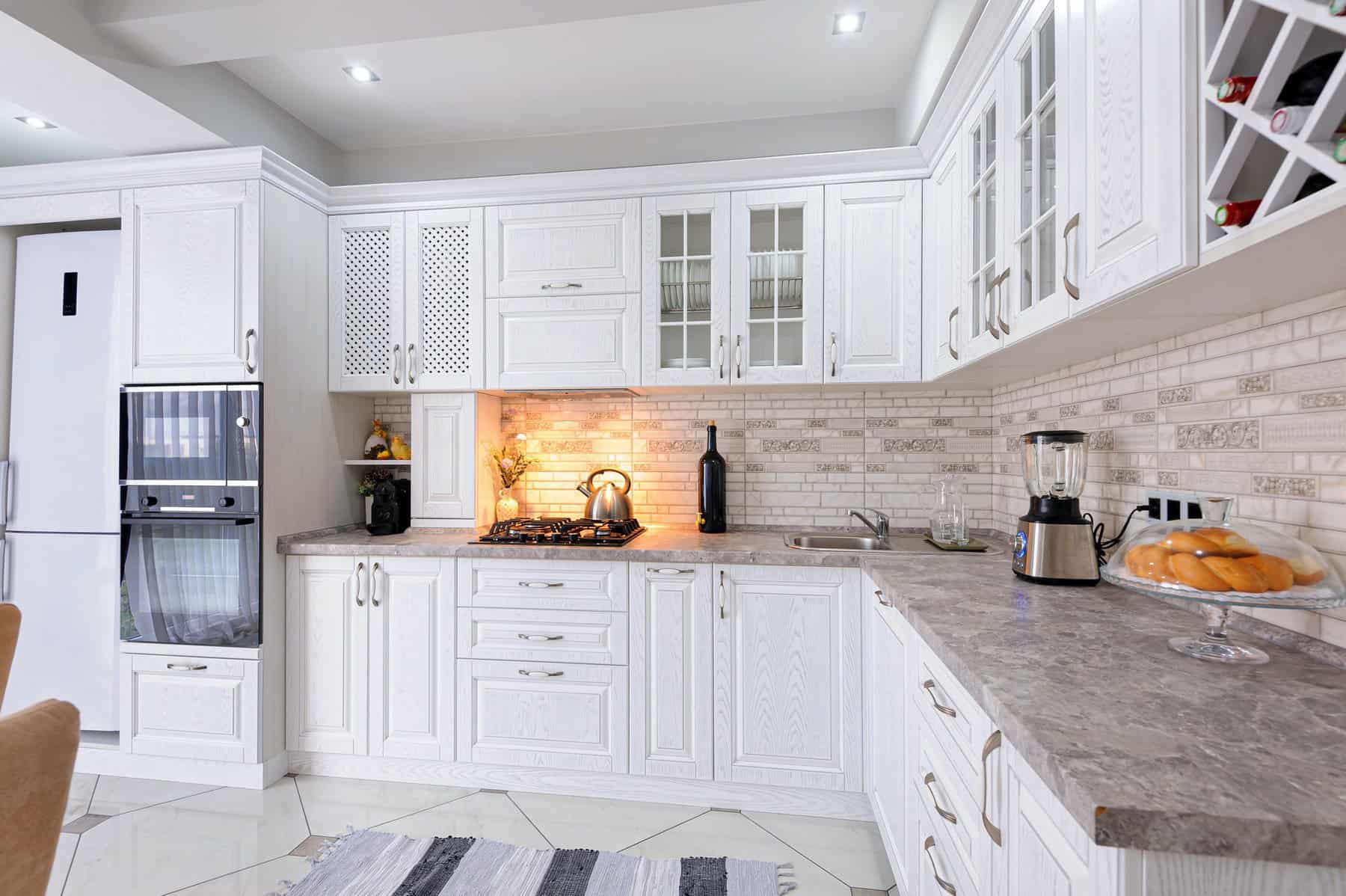
So why are my painted cabinets sticky if the surface feels solid? Because the film underneath that surface is still soft. Hang cabinet doors before full cure, and the paint presses against itself under the weight of the door. It bonds and pulls. That is the tack you are feeling.
Franklin, MI, adds its own challenge here. Cold, dry winters and muggy summer stretches both affect how cabinet paint behaves during cure. Kitchens that stay closed in cold months trap cooking moisture, and that humidity slows the cure by weeks. Cabinet painting in Franklin, MI, done without this in mind often produces a tacky result that puzzles homeowners later. Proper ventilation during and after painting is not optional in this climate. It is part of the job.
The Four Reasons Cabinet Paint Stays Tacky
Knowing why your painted cabinets are sticky means working through each of these causes. One or more of them is behind what you are seeing.
How to Fix Sticky Cabinet Paint: Two Paths Forward
How to fix sticky cabinet paint comes down to one question: Is this a timing issue or a product-and-prep issue? The answer changes everything.
If the paint just needs more time, the fix costs nothing but patience and airflow. Take the doors off their hinges. Store them flat in a place with good air circulation. Run a fan in the kitchen. If humidity is a factor, run a dehumidifier alongside it. Give the finish the full 30-day window before making a judgment. A finish that simply lacked airflow will often recover on its own once it gets the conditions it needed from the start. Many homeowners who ask how to fix sticky cabinet paint find that this is all it takes.
If the paint was the wrong product or the surface was not prepped, time alone will not solve it. A film that never bonded properly does not get harder with age. The only real fix is to strip the existing finish, prep the surface correctly, prime it properly, and recoat with a cabinet-rated product. That is more than a weekend project, but it is the only approach that produces a result worth keeping.
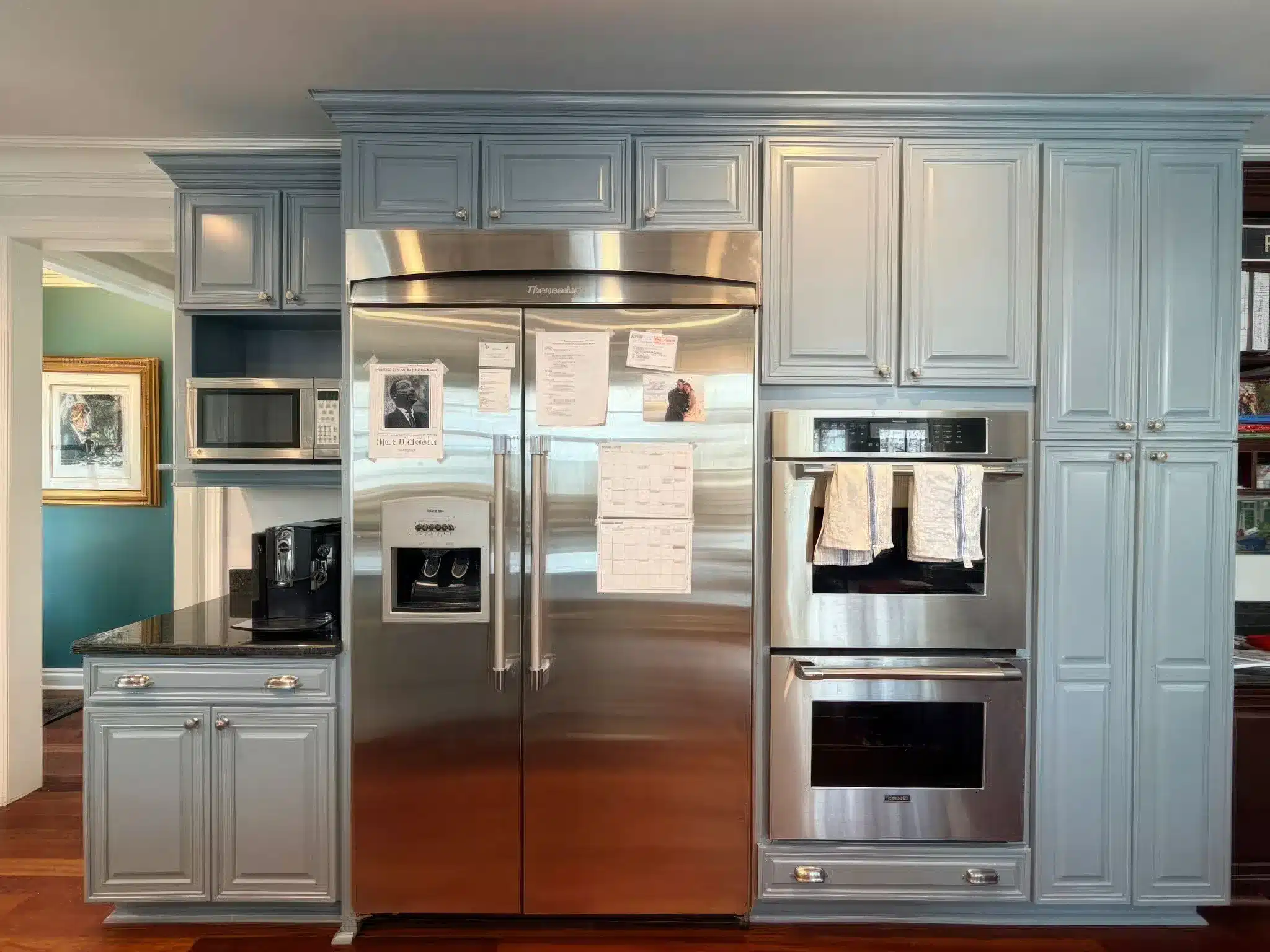
A cabinet painter in Franklin, MI, can assess the surface in person and tell you which path applies to your situation. Some finishes can be scuff-sanded and recoated. Others cannot. Getting that read before buying materials saves time and money.
While you wait for a verdict, one action matters right now: keep the doors open. Every time a tacky surface contacts another surface, it transfers a small amount of paint and creates micro-damage. Stopping that contact slows the deterioration.
How to fix sticky cabinet paint is never a one-size answer. The repair has to match the cause, or it will not hold.
The Cost of Leaving It Alone
A sticky cabinet is an annoyance at first. Left alone, it becomes a structural problem.
Cabinet doors that close against a soft finish do not just feel bad. They pull paint off the edges and corners in small fragments every time they open. Over weeks, that pulling action creates visible chips, bare spots, and uneven wear across the entire run of cabinets. Once that damage sets in, touching up individual doors is not an option. The full project needs to be redone.
Cabinet painting in Franklin, MI, is an investment that should pay off over the years, not months. Every cabinet painting in the Franklin, MI project that skips the prep phase significantly shortens the return window. A properly cured finish on quality cabinet paint holds up to daily contact for seven to ten years with regular cleaning. Cabinet painting in Franklin, MI, that skips prep or uses the wrong product rarely gets there. The finish fails early, and the repair bill reflects it.
Acting early keeps the options open. Waiting until doors are chipped and bare closes them. Homeowners who notice why their painted cabinets are sticky and act within the first few weeks almost always have more repair options.
What Sets a Skilled Cabinet Painter in Franklin, MI Apart
If you are weighing whether to bring in a professional, the distinction worth knowing is process, not just price.
A reliable cabinet painter in Franklin, MI, follows a fixed sequence that prevents the sticky finish problem before it ever starts:
A cabinet painter in Franklin, MI who walks away without explaining cure time is leaving out a piece of the job. That explanation is what prevents a good finish from turning into a callback.