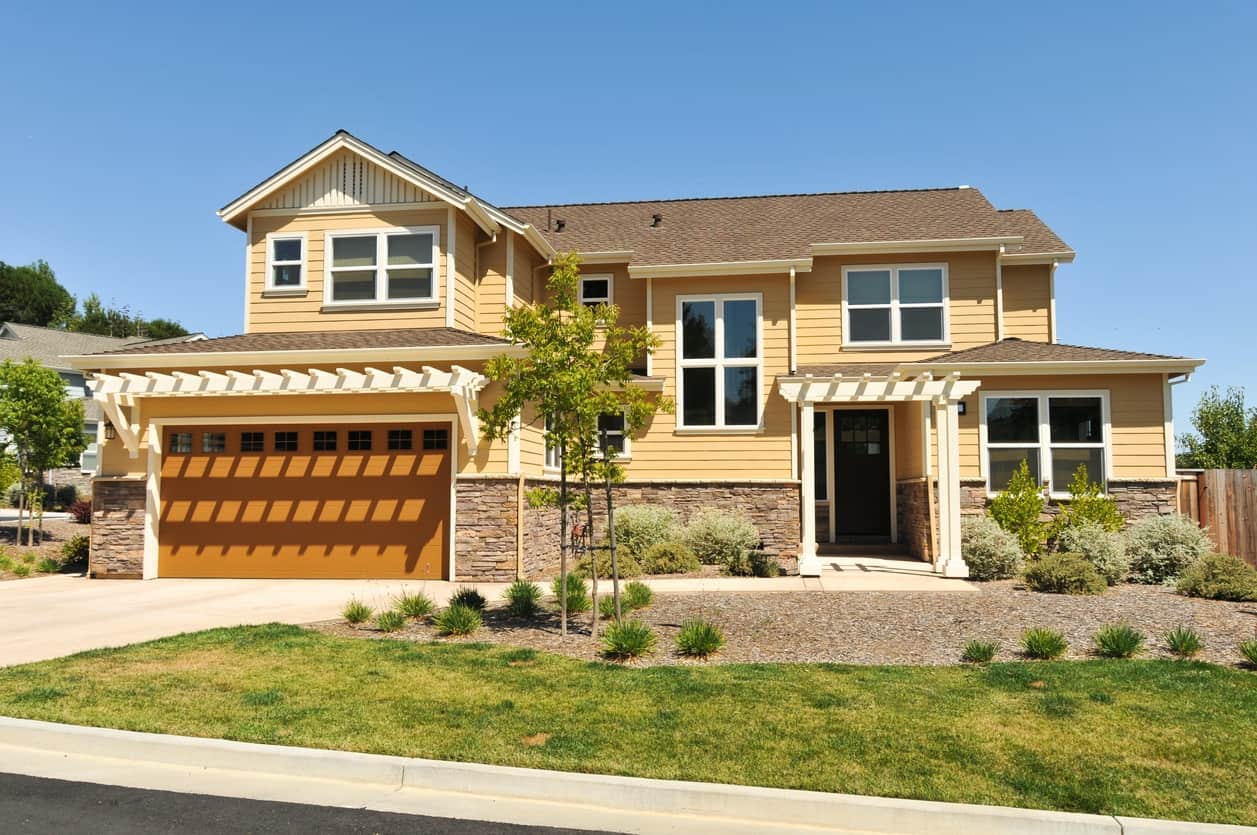
Your house can look fine from the street and still be overdue for fresh paint. So how long does exterior paint last before it quietly starts working against your home? That smaller question sits underneath a bigger one most Southeast Michigan homeowners run into sooner or later: how often should you paint your house when the weather swings from humid summers to long, icy winters? The good news is that paint ages on a fairly predictable schedule. Once you can read the signs, you stop guessing and start planning. Knowing what quality exterior house painting involves makes that planning a lot easier.

How Long Does Exterior Paint Last? The Real Timeline
Most paint makers and contractors land on the same range. Manufacturers such as Sherwin-Williams put the life of an exterior coat at 7 to 10 years, depending on climate, surface, and how good the paint was to start with. That is the average across the country. The real number for your home depends on what it is made of and where it sits.
Wood siding tends to need repainting every 3 to 7 years, and stained wood often sooner. Aluminum and vinyl can hold a finish a little longer. Painted brick can sometimes wait 10 to 15 years in a mild climate. Your siding sets the baseline, and your weather moves it. A cheap coat applied over poor prep might fail in three years. A quality coat over clean, sound surfaces can reach the top of that range and then some.
How Often Should You Paint Your House in Michigan?
Here is where the national timeline meets local reality. Southeast Michigan puts paint through a lot. Summer brings strong sun and sticky humidity. Winter brings freezing temperatures, snow, and the freeze-thaw cycle that expands and contracts every surface on your home. Each swing tugs at the paint film until it loses its grip and lets go.
So how often should you paint your house around Bloomfield, Birmingham, or Royal Oak? Plan on the shorter end of that 7 to 10 year window, especially for wood trim, south-facing walls, and anything that takes direct afternoon light. Sun does more damage to paint than almost anything else, fading the color and breaking down the binder that holds it together. Shaded north walls often age more slowly, which is why one side of a house can look tired while another still holds up.
Signs It’s Time to Repaint
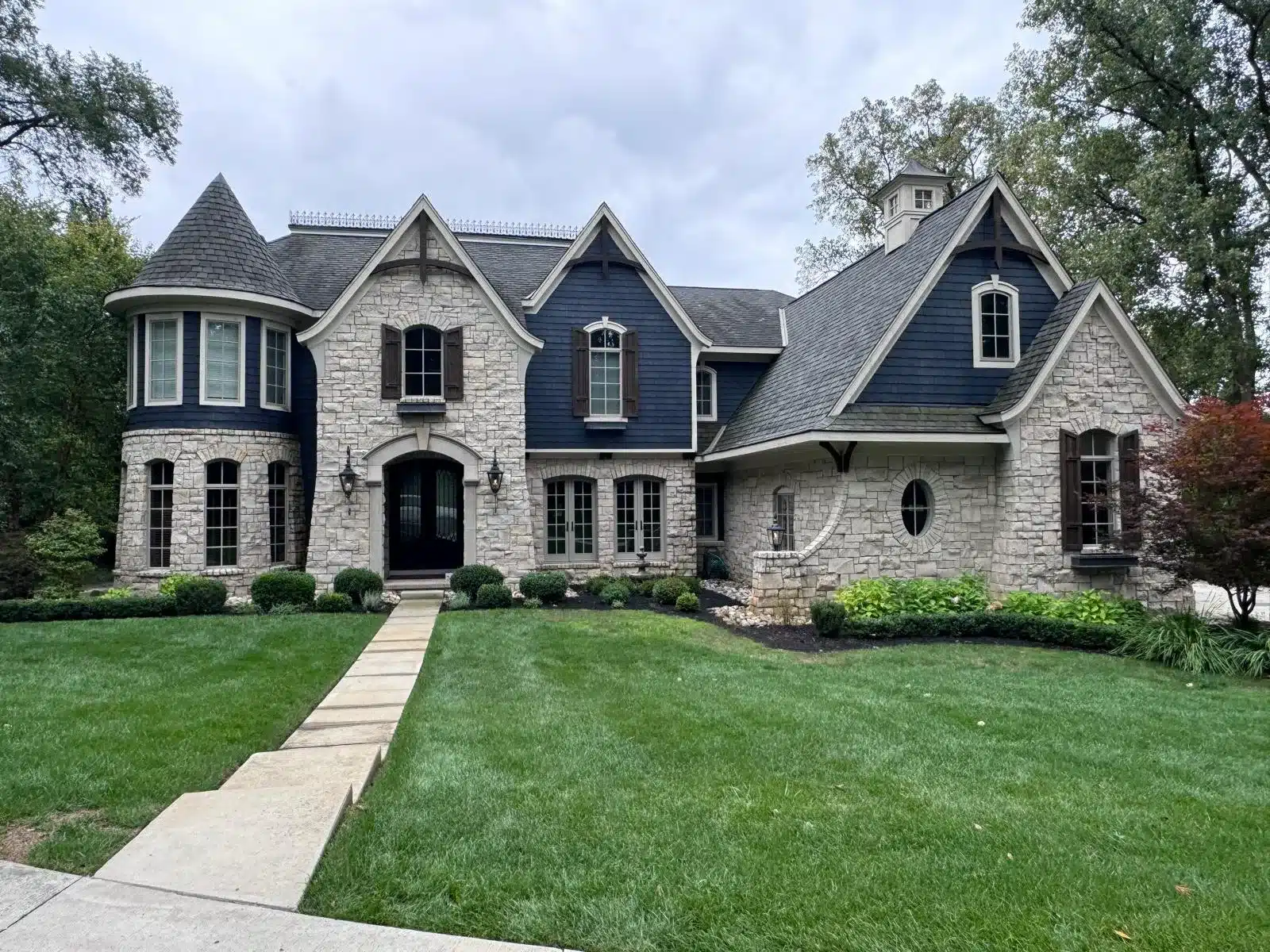
You do not need special tools to know your paint is failing. The signals show up in plain sight if you know where to look.
If you spot several of these at once, our exterior painting services can first sort out what needs paint and what needs repair.
More Than Looks: What Your Paint Is Actually Doing
Fresh paint is easy to think of as decoration. On a house, it is closer to armor. That coat is the barrier between your wood and the weather. It blocks rain, snow melt, and humidity from soaking into siding and trim.
When the barrier holds, your home stays dry and solid. When it fails, moisture moves in behind the paint, and that is when small problems grow into rot, soft trim, and repairs you never budgeted for. Repainting on schedule is one of the simplest, cheapest ways to protect a home from slow water damage that hides until it turns serious.
What Repainting Costs, and Why Waiting Costs More
Let’s talk money, since it drives the timing for most people. National cost data from Angi puts the average exterior repaint near $3,000, with most projects falling between roughly $1,800 and $4,500 based on size, siding, and prep work.
Waiting changes that math in the wrong direction. Once paint fails and water reaches the wood underneath, you are no longer buying just paint. You are paying for wood repair, fresh priming, and paint, plus the labor to fix whatever the moisture touched. Catching the work while the surface is still sound is almost always the cheaper road. A repaint protects the house. A delayed repaint pays for the damage too.
How We Take the Guesswork Out of Your Timing
You should not have to guess your home’s repaint schedule, and you should not get a vague number scribbled on a notepad. Here is how we keep the whole process clear from the very first visit.
First, we come out and look at every surface, not only the front. We check siding, trim, caulk, and any wood that might need repair before paint goes on. Second, we print your full quote on the spot with a line-by-line breakdown, so the price is in your hands before we leave the driveway. Third, we use paint built for Michigan’s climate and stand behind the work with a 5 year product warranty and a 1 year labor warranty. Our owners watch every project from start to finish, and we are members of the Painting Contractors Association.
One more thing worth knowing: we do not paint exteriors from December through March, because cold air stops paint from curing the right way. Booking early in the season holds your spot before the calendar fills up.