Homeowners ask us what temperature can you paint outside, and most expect one simple number. The honest answer is that the overnight low matters more than the afternoon high. If you are trying to pick the best time to paint house exterior surfaces in Bloomfield, the calendar only gets you halfway. Our team plans every job of exterior house painting in Bloomfield around the forecast, not just the month.
This post compares spring, summer, and fall in Southeast Michigan using real weather data. You will see which months give paint the best shot at lasting, and why we stop scheduling exterior work from December through March.

What Temperature Can You Paint Outside? The Number Behind the Season
For years, the rule was simple: paint above 50°F or wait. Newer products changed that. Sherwin-Williams lists several of its exterior lines, including Duration, SuperPaint, and A-100, as rated for application down to 35°F.
Here is the part most people miss. Paint needs safe conditions while it dries, not just while it goes on. Sherwin-Williams warns about a common late-season mistake: painting on a day above 50°F when the night drops below 35°F. Once it gets that cold, the paint can stop forming a solid film.
Before our crew opens a single can, we check these conditions for the full drying window:
So, how cold is too cold to paint outside? For most modern exterior paint, it is any stretch where the surface or the overnight low falls below 35°F. Some primers, caulks, and specialty coatings need 50°F or more, so we read the label on every product we use.
The Best Time to Paint House Exterior Surfaces: Month by Month
Here is how a typical year looks around here. These are 30-year averages from the National Weather Service office for Southeast Michigan, measured in Detroit. Bloomfield runs close to these numbers, though your own yard can vary.
| Month | Avg. High | Avg. Low | Our Take |
|---|---|---|---|
| April | 59°F | 39°F | Early. Cold nights limit good days. |
| May | 70°F | 50°F | Good start, but the wettest month of the year |
| June | 80°F | 60°F | Strong month with long, dry days |
| July | 84°F | 64°F | Workable. Plan around midday sun. |
| August | 81°F | 63°F | Workable. Same sun caution. |
| September | 74°F | 56°F | Often the sweet spot |
| October | 62°F | 44°F | Good with low-temp paint. Watch the nights. |
| November | 49°F | 34°F | Average low falls below 35°F. Risky. |
| December to March | 32°F to 46°F | 19°F to 29°F | We do not schedule exterior work. |
Look at September. Warm afternoons, nights that stay well above 35°F, and less rain than May. That mix is why so many homeowners aim for early fall. June is a close second, with the most daylight of the year. April and November can work on the right week, but only when the overnight lows cooperate.
Spring vs. Summer vs. Fall: Which Season Fits Your Home?
Each season works for exterior painting. Each one also comes with a different risk. Here is how we compare them.
Why We Do Not Paint Exteriors From December Through March
We turn down winter exterior work, even when a warm week shows up. Cold temperatures keep paint from curing properly, and a January thaw rarely lasts long enough. Average highs in Detroit stay in the 30s from December through February.
That rule costs us winter jobs. We would rather wait than hand you a finish that fails early. That’s why our exterior painting services start with prep and timing, not just paint and color.
Good Weather Cannot Fix Poor Prep
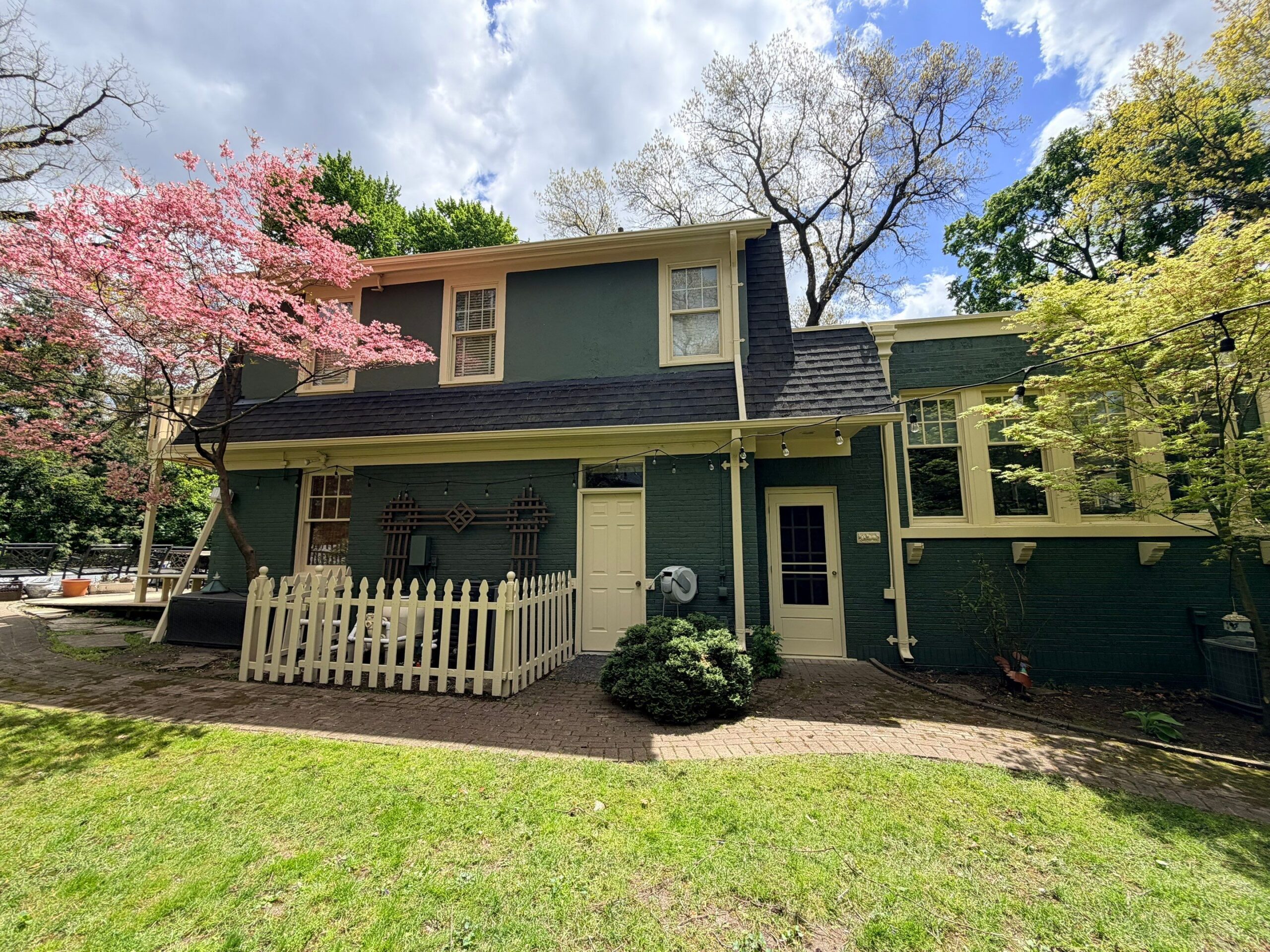
Even the best time to paint house exterior surfaces cannot save a job with weak prep. Most early paint failures we see start under the paint, not on top of it. A perfect September week will not help if the old paint is loose or the wood is soft.
That is why our prep comes first, whatever the season:
Timing and prep also work together. Washed siding needs to dry fully before we paint it, so a stretch of dry days matters as much as warm ones. When we build your schedule, we plan for both.
How to Plan Your Exterior Project
You do not need to watch the forecast every day. You just need a simple plan and a team that does the watching for you.
Rushing a late-season job is where problems start. Paint that never forms a solid film can peel or crack long before it should. Then you pay for prep and paint a second time. A planned June or September start leaves room for weather. A rushed November start does not.